Why Australia's Unique Wildlife Is a Filmmaker's Dream for Documentaries
Rich Biodiversity Hotspot
Embarking on a journey to the vibrant heart of South America reveals an environment teeming with biodiversity, comparable to the verdant displays at the Royal Botanic Garden Sydney. The region is a treasure trove of distinct ecosystems, beckoning explorers who possess a keen interest in conservation. I've found myself captivated by the allure of south america tours, which showcase an array of ecological wonders that are both fascinating and critically significant.
Diverse Habitats Explored
A foray into the varied landscapes of South America mirrors a walk through the diverse exhibits at places like Taronga Zoo. Here, the juxtaposition of lush rainforests alongside arid deserts tells a story of ecological marvels. One unforgettable experience on a galapagos cruise was observing the adaptive variance of flora and fauna from island to island, each a unique microcosm of life striving for survival.
Rare Species Documented
This region unfolds scenes akin to a natural history exhibit found at the Australian Museum, bringing attention to numerous rare species that have adapted to its diverse settings. It was thrilling to document wildlife such as the Andean condor and the unique pink river dolphin. Encounters like these fuel a passion for understanding and preserving such rare beings.
Endemic Wildlife Features
Patagonia hosts an array of endemic species, offering us a glimpse into nature's adaptive brilliance. Our patagonia tours spotlight wondrous creatures like the Patagonian mara, a testament to the evolutionary pathways shaped by the environment. These experiences encourage us to continue exploring, learning, and ultimately contributing to the conservation of these precious biological hotspots.
Captivating Filming Environments
Iconic Landscapes Captured
Australia, with its sweeping terrains, offers a treasure trove of iconic landscapes that serve as the perfect canvas for wildlife documentaries. These landscapes, from the coastal cliffs of Sydney's Antarctica cruises to the lush expanses of the Royal Botanic Garden Sydney, provide filmmakers like myself numerous creative opportunities. Capturing the sheer majesty of these locations not only showcases their natural beauty but also raises awareness about their ecological significance in the global ecosystem.
Challenging Terrain Overcome
The rewarding yet daunting landscapes of Australia challenge filmmakers to innovate. Traversing the dense forests and rocky outcroppings requires technical expertise and a preparedness reminiscent of journeys on South American tours. During my filming projects, I've learned that adapting to these terrains necessitates a profound understanding of conservation techniques, to ensure our presence leaves no trace. Through careful planning and collaboration with local conservationists, it's possible to overcome these physical hurdles while preserving the landscapes we document.
Dynamic Weather Conditions
Filming in Australia often means embracing unpredictable weather, a variable that can enhance or complicate the filming experience. Similar to what travellers might experience on Central America tours, the country's unique weather patterns bring both challenges and spectacular lighting opportunities. Whether it's the intense sun illuminating the Australian Museum's natural history exhibits or a sudden storm changing the mood entirely, each condition adds an authentic layer to our storytelling. This variability is not just a challenge but a bracing reminder of nature's power and resilience as we strive to document our shared natural world responsibly.
Ethical Filmmaking Practices
Promoting Conservation Goals
As a storyteller in the realm of wildlife documentaries, it's crucial to highlight the pivotal role of africa safari expeditions in promoting global conservation goals. By filming in these dynamic ecosystems, filmmakers contribute vital insights into the biodiversity challenges evident in places like the Royal Botanic Garden Sydney and Taronga Zoo. These documentaries serve as both a media platform and an educational tool, spreading awareness of the delicate balance between tourism and preservation. They shift focus to the strategic conservation successes and hurdles that define critical habitats.
Minimising Environmental Impact
In the creation of impactful documentaries, it’s imperative for filmmakers to minimise their environmental footprint. This involves adopting eco-friendly practices such as using solar-powered equipment or ensuring waste is reduced during shoots. Strategies like these are essential in fragile areas, similar to those found in machu picchu tours, where preserving the natural environment is of utmost importance. Through these efforts, filmmakers contribute positively, much like the exhibits in the Australian Museum's natural history displays.
Engaging Local Communities
Incorporating local communities into filmmaking efforts elevates the authenticity of wildlife narratives. These collaborations provide grassroots perspectives on conservation, enriching the storytelling with lived experiences. By fostering these relationships, filmmakers ensure that communities benefit from heightened tourism awareness, funds, and conservation advocacy. Such engagement mirrors how the insights from Sydney's environmental institutions are intertwined with local conservation lectures, inspiring future thinkers and conservationists.
Storytelling Opportunities
Unforgettable Animal Behaviors
As a wildlife documentary filmmaker, capturing extraordinary wildlife behaviors is the pinnacle of storytelling. The Galapagos Islands tours offer a unique opportunity to witness the fascinating courtship dance of the blue-footed booby or the underwater ballet of the marine iguana. Imagine weaving these captivating moments into narratives that not only entertain but also educate on species' peculiarities and survival tactics.
Ecological Narratives Developed
Crafting a compelling narrative intertwines the story of a location and its inhabitants. With careful observation, filmmakers can highlight ecological triumphs and challenges—such as the delicate balance of predator and prey or the impact of invasive species. In South Africa tours, the complex dynamics of species like the African elephant offer rich material for tales of coexistence between nature and human development, echoing lessons found in the Australian Museum's natural history exhibits.
Human-Nature Interactions
Filmmaking shines when it brings to light the interconnections between humans and the environment. Documentaries can focus on conservation efforts, showcasing how locals protect their terrain or how community-driven projects flourish. This is much like the stories in the Royal Botanic Garden Sydney, where collaborative projects preserve native flora. These narratives inspire the audience, showing the significance of sustainability and the essential roles people play in conserving wildlife.
Storytelling in wildlife documentaries is about grasping the extraordinary in both nature and human endeavor. Through these lenses, we inspire audiences to appreciate our planet's beauty and fragility.
Equipment and Technique Challenges
Technology Adapted for the Wild
In the heart of capturing nature's marvels, we often find that technology acts as both a friend and a formidable challenge. Sophisticated cameras and equipment are indispensable tools. These gadgets, which bring the vibrant ecosystems from places like the Royal Botanic Garden Sydney right to your screens, require constant maintenance and adaptation to withstand Australia's relentless elements. This ever-looming challenge calls for a nuanced understanding of the technology we wield. Cameras must be lightweight yet durable, capable of withstanding everything from Anemone echinata's pristine beaches to the dense rainforest canopies sheltering the elusive bunyip—and still deliver visually striking documentaries.
Navigating Geographic and Climatic Extremes
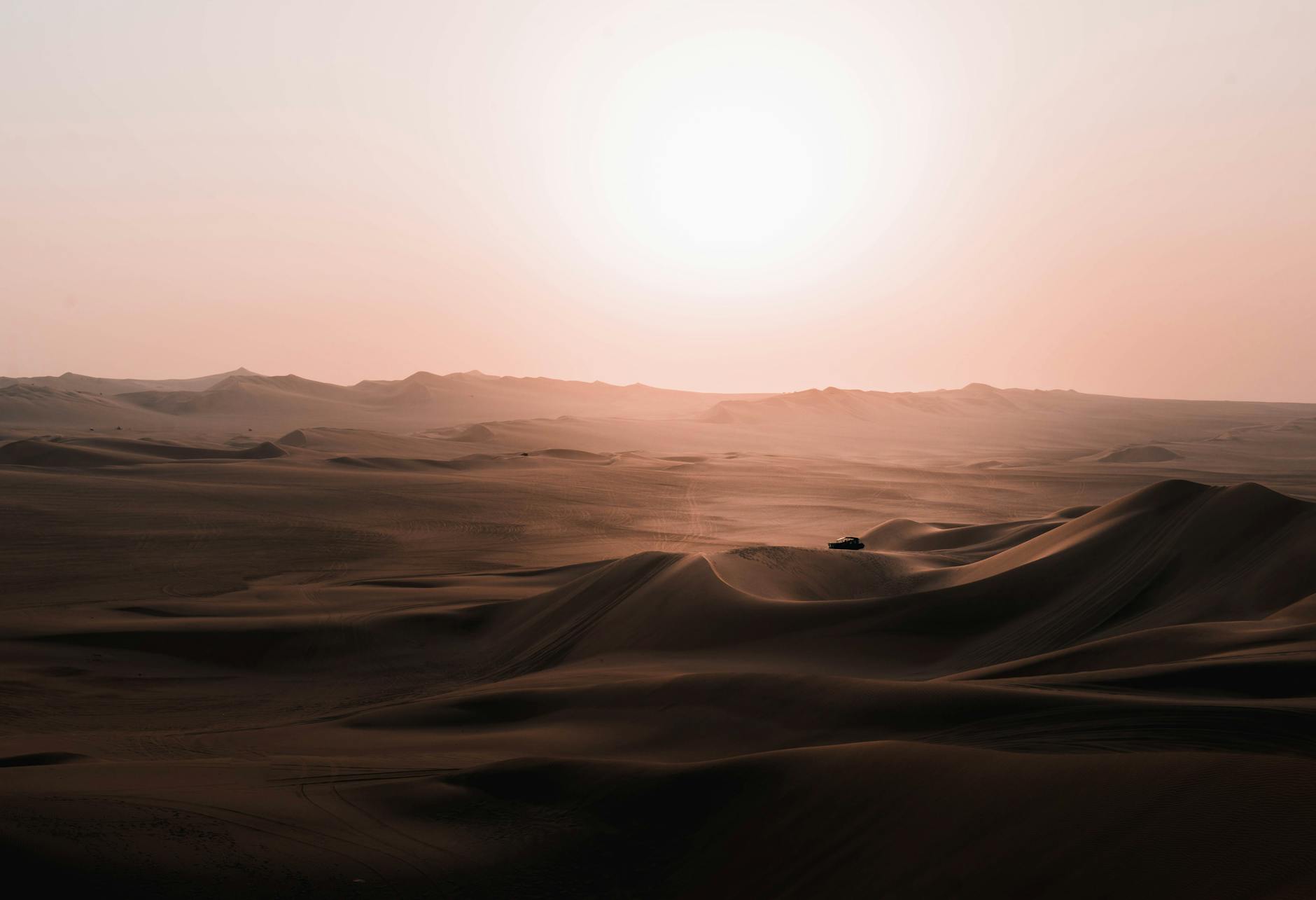
Venturing into Australia's rugged terrain ranges from the arid deserts to the humid wetlands, presenting a slew of logistical hurdles. Filmmakers must endure harsh conditions while protecting their gear. Filming in places like Taronga Zoo for controlled environments or the Australian Museum's natural history exhibits for controlled climates can sometimes provide a starting point. However, the raw wild remained a vital frontier requiring innovative adaptive strategies and keen instincts to succeed. As you adjust cameras and drone angles, your lenses often contend with everything - from sudden downpours to sweltering heat, echoing the dynamic weather conditions so whimsically presented by Australia.
Conservation Challenges as Insights
Discovering stories within these challenges unravels key insights into broader conservation themes. It’s a majestic narrative where triumphs illuminate pathways for future storytellers and conservationists alike. Each piece of gear, each location scouted, infuses an added depth to our understanding of environmental preservation, much like whispering reflections of what is conserved and what remains a canvas for advocacy. Each choice resonates with a commitment to keep the wild thriving, inspiring a more profound connection and responsibility towards our natural heritage.
In this wild cinematic journey, every piece of the puzzle—a conscious reflection of production choices—brings us universal stories connecting humanity with nature.